Chicago Aquarium Community Hub
WELCOME TO THE BIG FISH COMMUNITY
Connect with local fishkeepers, learn more about aquatic life, ask questions, and stay involved with Big Fish Aquarium.
We’re a Chicago aquarium store and community resource for freshwater and saltwater hobbyists, families, educators, schools, and organizations.
A LOCAL RESOURCE FOR CHICAGO FISHKEEPERS
MORE THAN A FISH STORE

Big Fish Aquarium is here to help people enjoy the aquarium hobby with more confidence.
Whether you’re setting up your first freshwater tank, maintaining an established reef system, looking for reliable aquarium supplies, or trying to solve a problem in your tank, our team provides straightforward guidance based on real experience.
The Community Hub brings together our educational programs, local fishkeeping discussions, social updates, videos, and opportunities to connect with the Big Fish team.
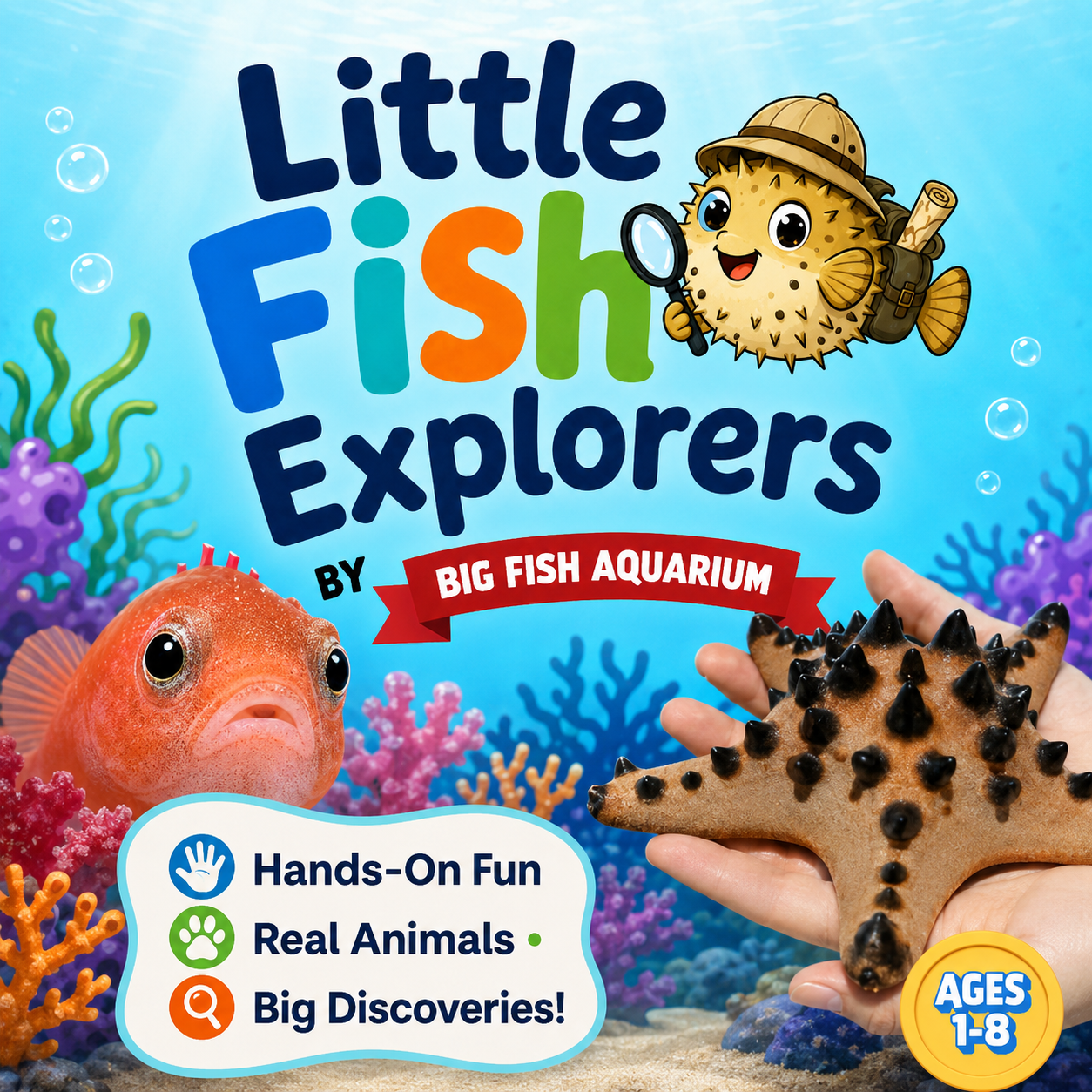
Little Fish Explorers: A Mobile Aquarium Program for Chicago-Area Children
AQUATIC EDUCATION FOR AGES 1 THROUGH 8
Bring the excitement of aquatic life directly to your school, daycare, library, church, community organization, or special event.
Little Fish Explorers by Big Fish Aquarium is an interactive educational outreach program created for children ages 1 through 8. Through guided activities and real aquatic animals, children learn through observation, exploration, creativity, and hands-on participation.
Each visit is customized around the group’s age and learning level, creating an engaging experience that introduces young children to aquatic animals and ecosystems in a safe, approachable way.
What Children Will Experience
HANDS-ON AQUATIC LEARNING
Little Fish Explorers is an educational outreach program created by Big Fish Aquarium to build curiosity and appreciation for aquatic ecosystems. Through age-appropriate activities aligned with Illinois Learning Standards, children learn about aquatic life through science, observation, creativity, and guided interaction.
This strengthens the program’s educational purpose without repeating the entire introduction.

Live Touch Tank Exploration
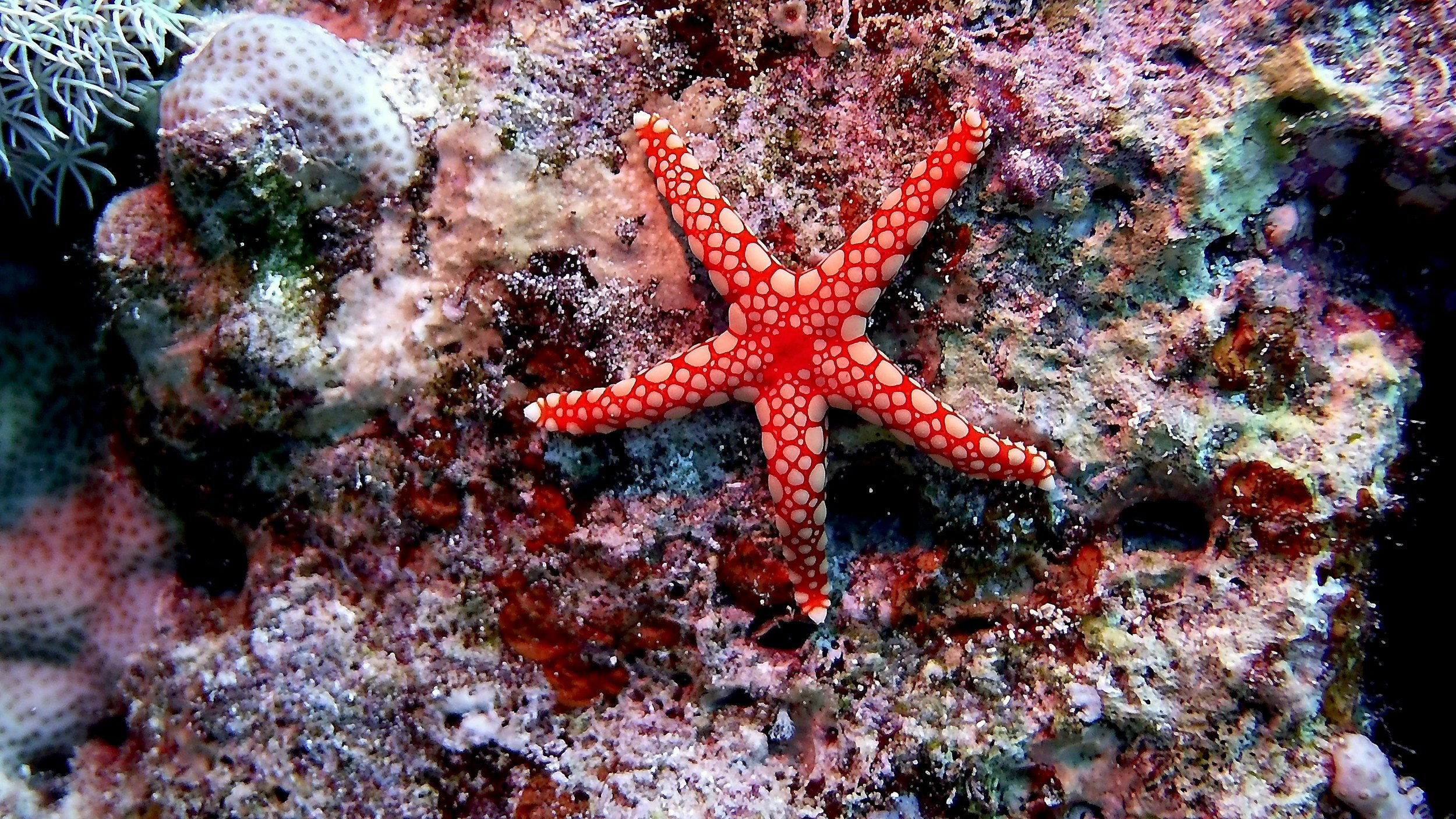
Children meet sea stars, shrimp, hermit crabs, aquatic plants, and other aquatic life through safe, educator-guided observation and interaction.

STEM-Based Activities
Hands-on activities introduce aquatic science while supporting Illinois Learning Standards and age-appropriate learning goals.

Young Scientist Observation
Children use magnifying glasses to examine movement, textures, shapes, plants, and the unique characteristics of aquatic animals

Creative Educational Projects
Ocean-inspired art and educational projects help children reinforce what they discovered during the program.

Real Animal Interaction
Children receive safe opportunities to observe and touch select aquatic animals under the guidance of experienced educators.

Interactive Story Time
Age-appropriate stories introduce aquatic ecosystems, build background knowledge, and encourage children to ask questions.
How a Little Fish Explorers Visit Works
HANDS-ON AQUATIC LEARNING
-
Each visit begins with an interactive read-aloud that introduces the topic and prepares children for the hands-on activities.
-
Children participate in educational activities connected to science and math learning standards. Big Fish Aquarium team members facilitate each activity to support a safe and engaging experience.
-
Explorers use magnifying glasses to study aquatic animals and plants up close. Guided activities may include opportunities to safely touch or hold select plants and animals.
-
The visit concludes with a group discussion, take-home activity sheets, and a completed aquatic-themed art or craft project.
This gives schools and parents a much clearer understanding of what they’re booking.
Little Fish Explorers is designed for organizations looking for an educational program that feels interactive, memorable, and different from a traditional classroom presentation.
The program is available for:
Schools and preschools
Daycare centers
Libraries
Churches
Community organizations
Family programs
Camps and youth groups
Community events
Private educational events
Whether children are meeting a sea star for the first time, observing aquatic life through a magnifying glass, or creating an ocean-inspired project, every visit is designed to encourage curiosity, confidence, and appreciation for aquatic ecosystems.
Bring Little Fish Explorers to Your Group
DESIGNED FOR CURIOUS YOUNG MINDS
Little Fish Explorers FAQ
PROGRAM QUESTIONS
-
Little Fish Explorers is a mobile aquatic education program from Big Fish Aquarium. It brings real aquatic animals, guided touch tanks, interactive stories, STEM-based activities, observation exercises, and creative projects directly to local organizations.
-
The program is designed for children ages 1 through 8. Activities are adjusted to match the group’s age, learning level, and ability to participate.
-
Programs may be requested by schools, preschools, daycares, libraries, churches, community organizations, family programs, and special events in the Chicago area.
-
Visits may include live touch tanks, interactive story time, STEM-based learning, magnifying glass exploration, creative projects, and safe opportunities to interact with aquatic animals.
-
Programs may feature sea stars, shrimp, hermit crabs, aquatic plants, and other aquatic life selected for safe, guided observation and interaction.
-
Select activities may include safe opportunities to touch aquatic animals. All interactions are guided and supervised by the Little Fish Explorers team.
-
Yes. Each program combines aquatic science, storytelling, sensory exploration, scientific observation, and creative projects. STEM-based activities are aligned with Illinois Learning Standards.
-
Complete the inquiry form below with your organization, group size, age range, location, and preferred date. The Big Fish Aquarium team will follow up with availability and additional program details.
EXPERIENCED AQUARIUM AND EDUCATION PROFESSIONALS
Meet the Little Fish Explorers Team
Little Fish Explorers combines decades of aquarium experience with professional education, animal-care knowledge, and hands-on program facilitation.
Eddie is the owner of Big Fish Aquarium and brings more than 30 years of aquarium industry experience. His background includes aquatic animal care, husbandry, customer education, and volunteer service at Shedd Aquarium. Eddie is passionate about sharing his knowledge and helping others appreciate the diversity and beauty of aquatic life.
Owner and Aquarium ExpertEddie Tanglao
Shawnna Ballog
Little Fish Explorers Program EducatorShawnna is a Certified Veterinary Assistant with an Associate of Natural Science and is currently pursuing a bachelor’s degree in Animal Science and Behavior with a minor in Marine Biology. Her experience includes educational programming, public speaking, event coordination, and interactive animal presentations.
Kelly is an educator with more than 20 years of experience teaching students from prekindergarten through eighth grade. She earned a master’s degree in education from Northeastern Illinois University and focuses on creating engaging, inclusive learning environments that help every child participate and succeed.
Education SpecialistKelly Tanglao
Request a Little Fish Explorers Program
BRING THE AQUARIUM TO YOU
Tell us about your school, organization, or upcoming event. We’ll review your group’s age range, attendance, location, and preferred date before recommending the best program format.
Hands-on fun. Real animals. Big discoveries.
Phone: 773-413-7137
Email: bigfish@bigfishaquariums.com
Join the Chicago Aquarium Community
ASK. SHARE. LEARN.
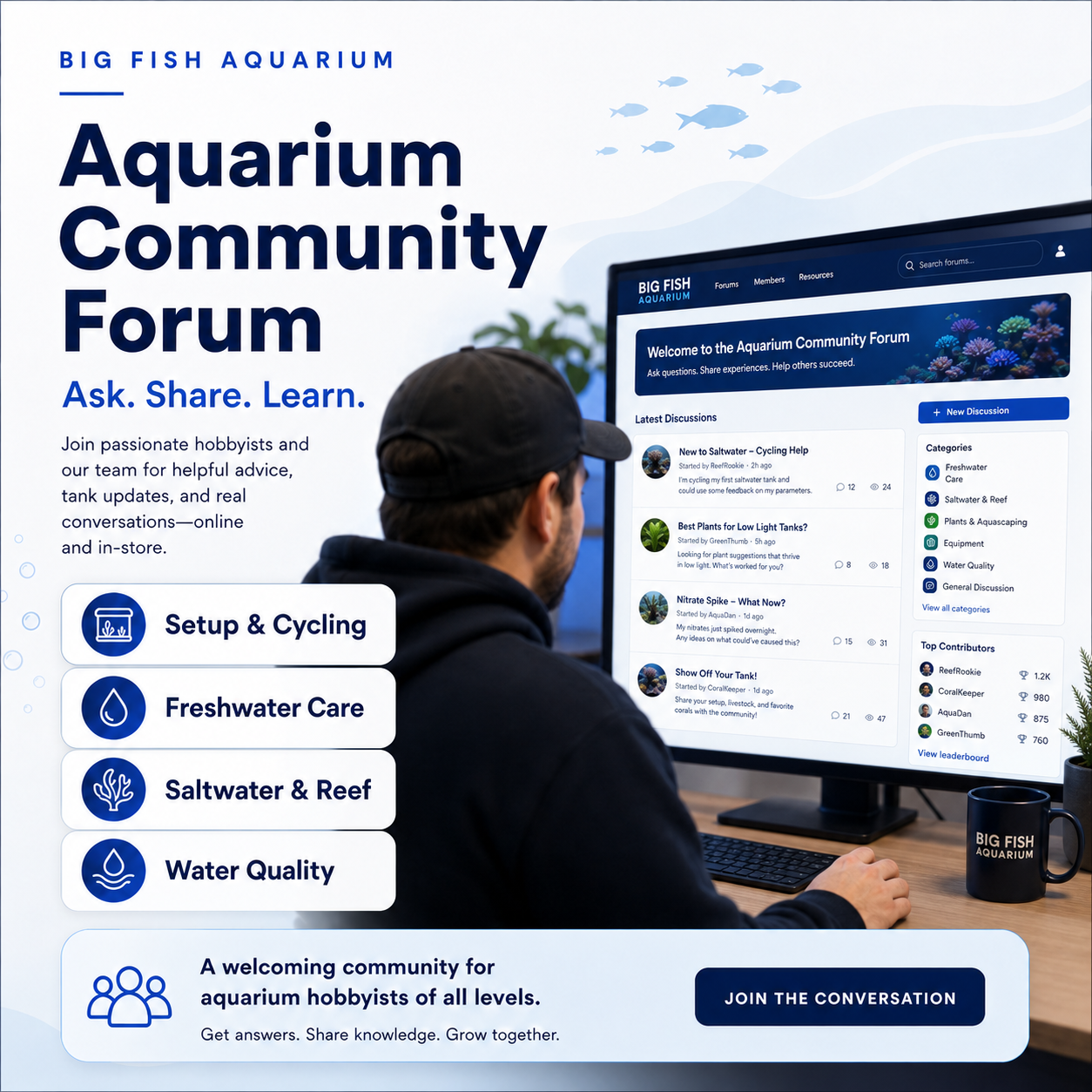
Aquarium questions are easier to solve when fishkeepers share what they’ve learned.
The Big Fish Aquarium Forum is a place for Chicago-area hobbyists to ask questions, share tank updates, discuss freshwater and saltwater aquariums, and help other members of the local fishkeeping community.
Ask about:
Aquarium setup and cycling
Freshwater fish care
Saltwater and reef systems
Aquarium equipment
Water quality
Fish compatibility
Aquatic plants
Coral care
Tank maintenance
Local buy, sell, and trade opportunities
Join the Chicago Aquarium Community
STRAIGHTFORWARD AQUARIUM GUIDANCE
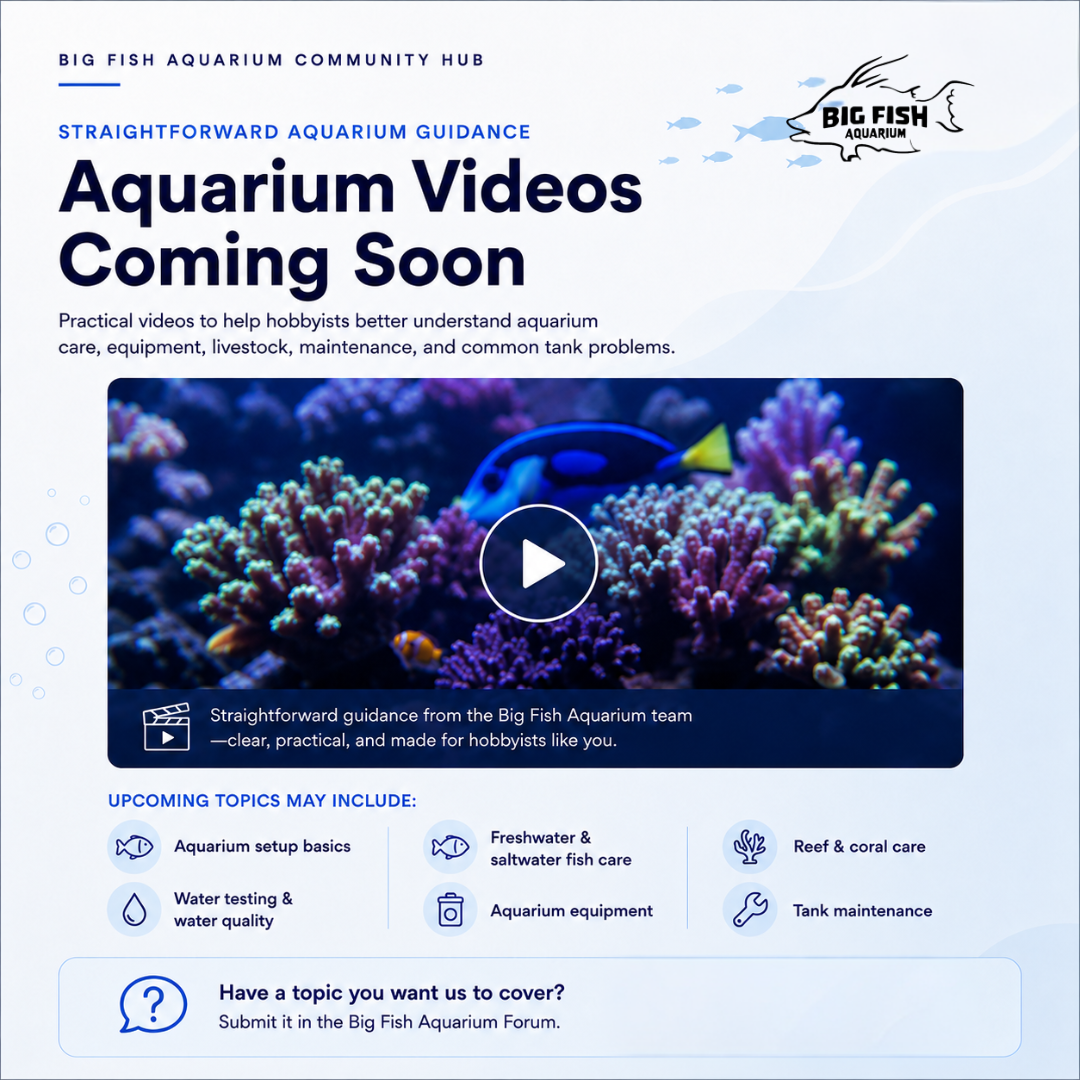
We’re creating practical videos to help freshwater and saltwater hobbyists better understand aquarium care, equipment, livestock, maintenance, and common tank problems.
Upcoming topics may include:
Aquarium setup basics
Water testing and water quality
Freshwater and saltwater fish care
Aquarium equipment
Reef and coral care
Tank maintenance
New livestock and product highlights
Answers to community questions
Have a topic you want us to cover? Submit it through the Big Fish Aquarium Forum.
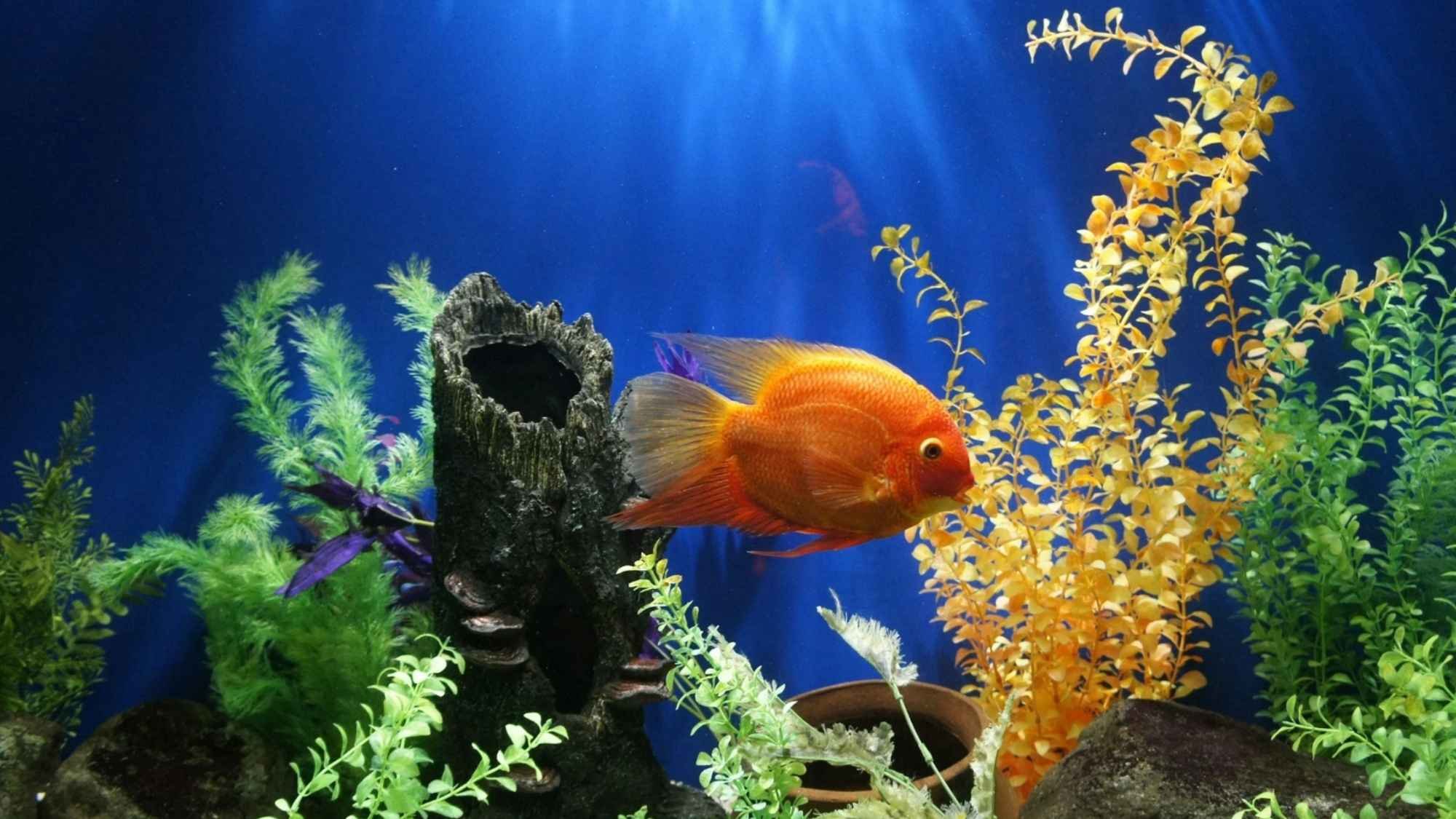
Visit Your Chicago Aquarium Store
SHOP LOCAL. ASK QUESTIONS.
Shopping for aquarium livestock or equipment should include more than choosing something from a shelf.
Visit Big Fish Aquarium to explore freshwater and saltwater livestock, WYSIWYG corals, aquatic plants, dry goods, frozen foods, aquarium equipment, and supplies for tanks of different sizes and experience levels.
Our team can help you understand what you’re buying, what it requires, and whether it makes sense for your aquarium.
Interested in Working with Big Fish Aquarium?
JOIN THE BIG FISH TEAM
We’re always interested in meeting dependable people who care about aquatic life, customer service, and helping aquarium hobbyists make informed decisions.
Visit our careers page to learn more about current opportunities and how to introduce yourself to the Big Fish team.
Stay Connected with Big Fish Aquarium
Visit the store, join the forum, follow our latest updates, or bring Little Fish Explorers to your school or organization.
Big Fish Aquarium is here to support Chicago fishkeepers, families, educators, and the next generation of aquatic explorers.
LIVE FROM BIG FISH
Follow What’s Happening at the Store
See new freshwater fish, saltwater livestock, WYSIWYG corals, aquatic plants, aquarium supplies, store updates, educational tips, and behind-the-scenes moments from the Big Fish Aquarium team.
Inventory changes quickly, so follow us for the latest arrivals and in-store updates.