Coral Care Guide: A Beginner’s Intro to Reef Tanks
Adding coral to your saltwater tank is the most exciting step in reef keeping, but it demands precision. Big Fish Aquarium has helped hobbyists throughout Chicago, Oak Park, and the surrounding suburbs build stable, thriving reef systems for 25 years. Whether you are starting your first nano reef or building an advanced SPS display, this guide provides the technical breakdown you need. Ready to apply what you’ve learned? Shop our current WYSIWYG coral selection to see exactly what you will receive, or browse our full livestock inventory to find your next centerpiece.
Coral Care: Choosing the Right Specimens
-
Beginner: Soft Corals (Hardy & Resilient)
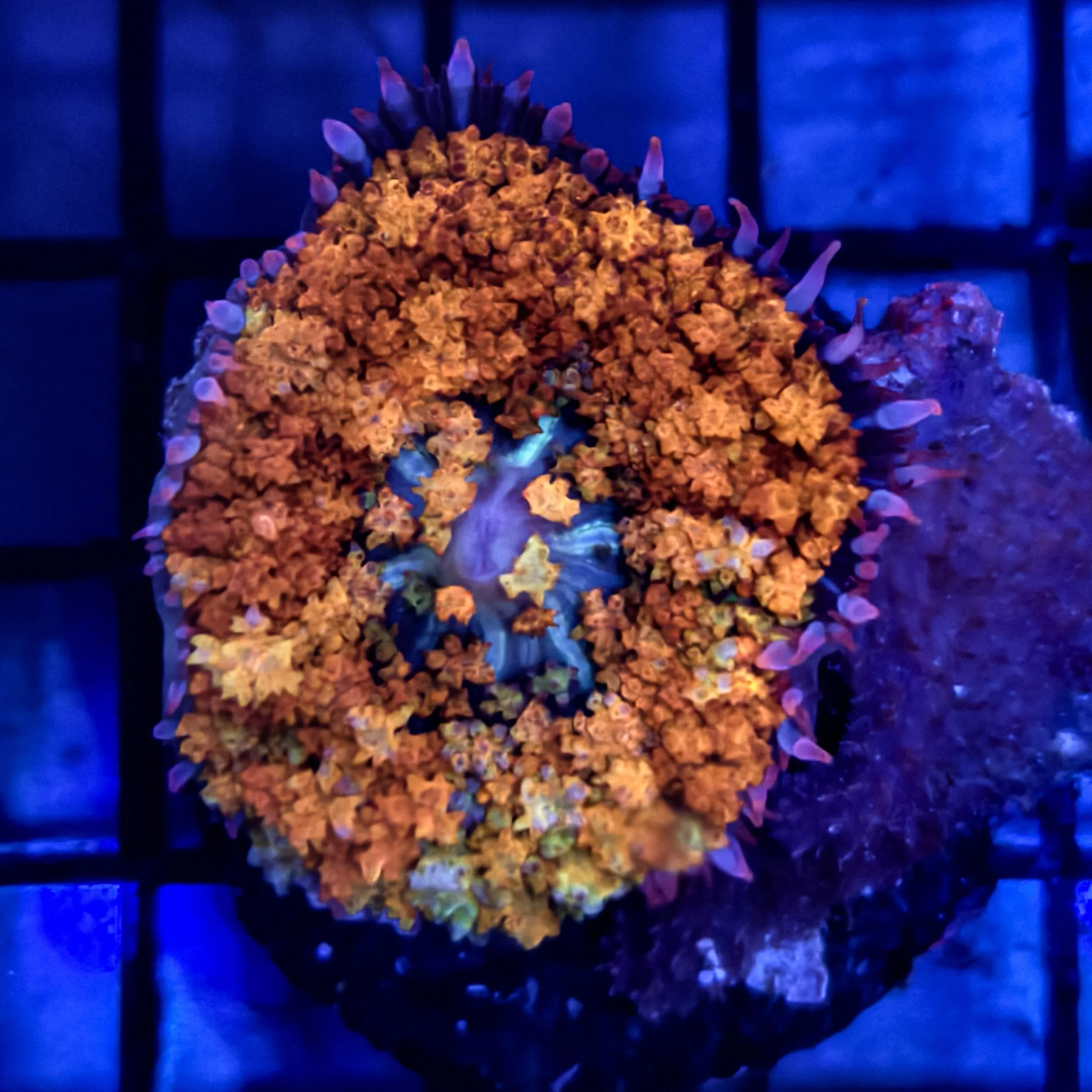
If you are new to the reef, start here. Soft corals like mushrooms, leathers, and zoanthids are highly adaptable, fast-growing, and provide excellent texture. They are the most forgiving species while you are still dialing in your water parameters and flow.
-

Intermediate: LPS Corals (Movement & Aesthetics)
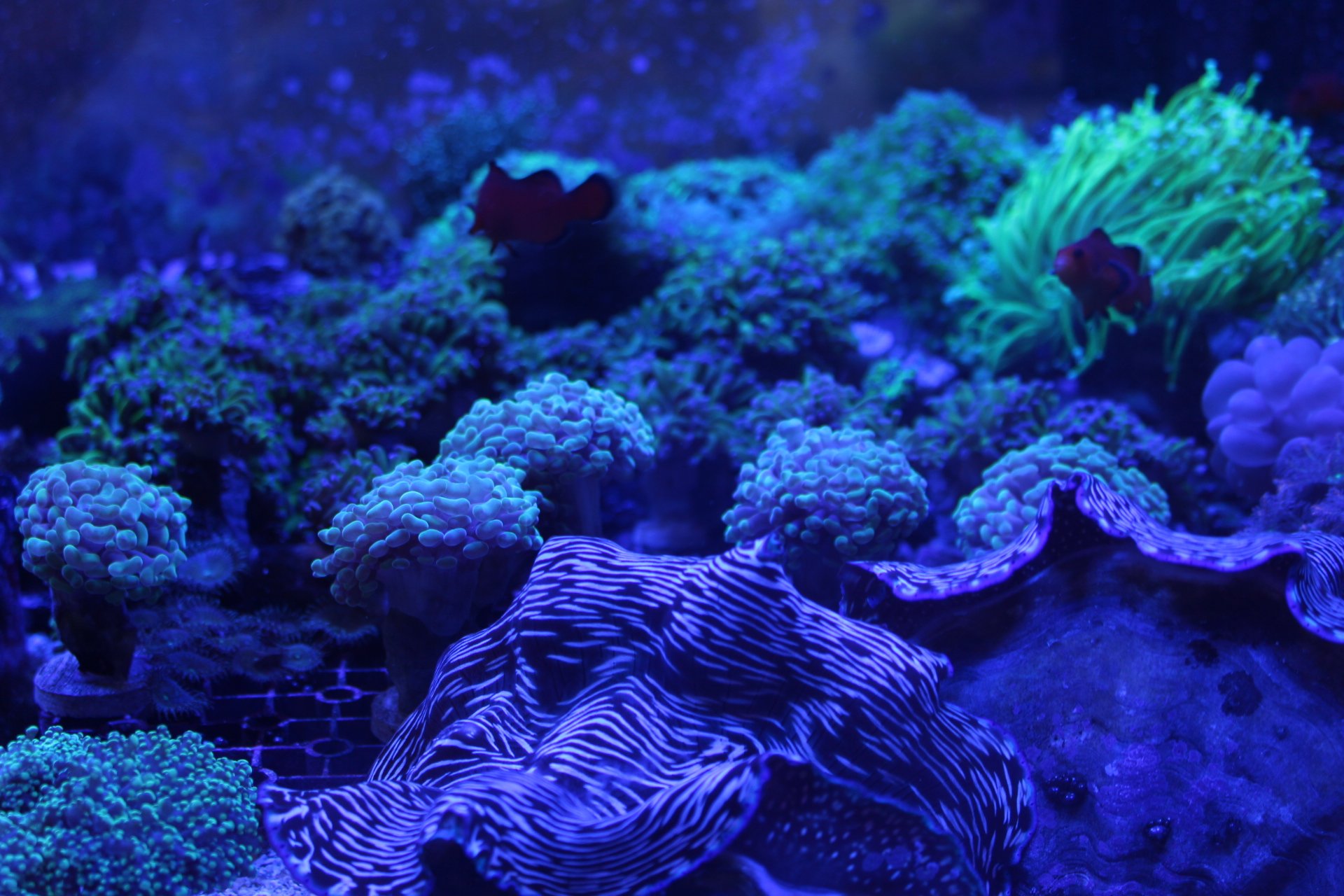
Once your chemistry is locked in, transition to Large Polyp Stony (LPS) corals. Specimens like hammers, frogspawns, and torches offer incredible movement and color. These require more consistent calcium and alkalinity levels than soft corals, making them the perfect "next step" for your system.
-

Advanced: SPS Corals (Professional-Grade Reefs)
Small Polyp Stony (SPS) corals, including acropora and montipora, are the gold standard of reef keeping. They are visually stunning but demand stability, high-intensity lighting, and expert-level nutrient management. Only add these once your system is fully mature and your maintenance routine is flawless.
Coral Care: Professional Water Quality Targets
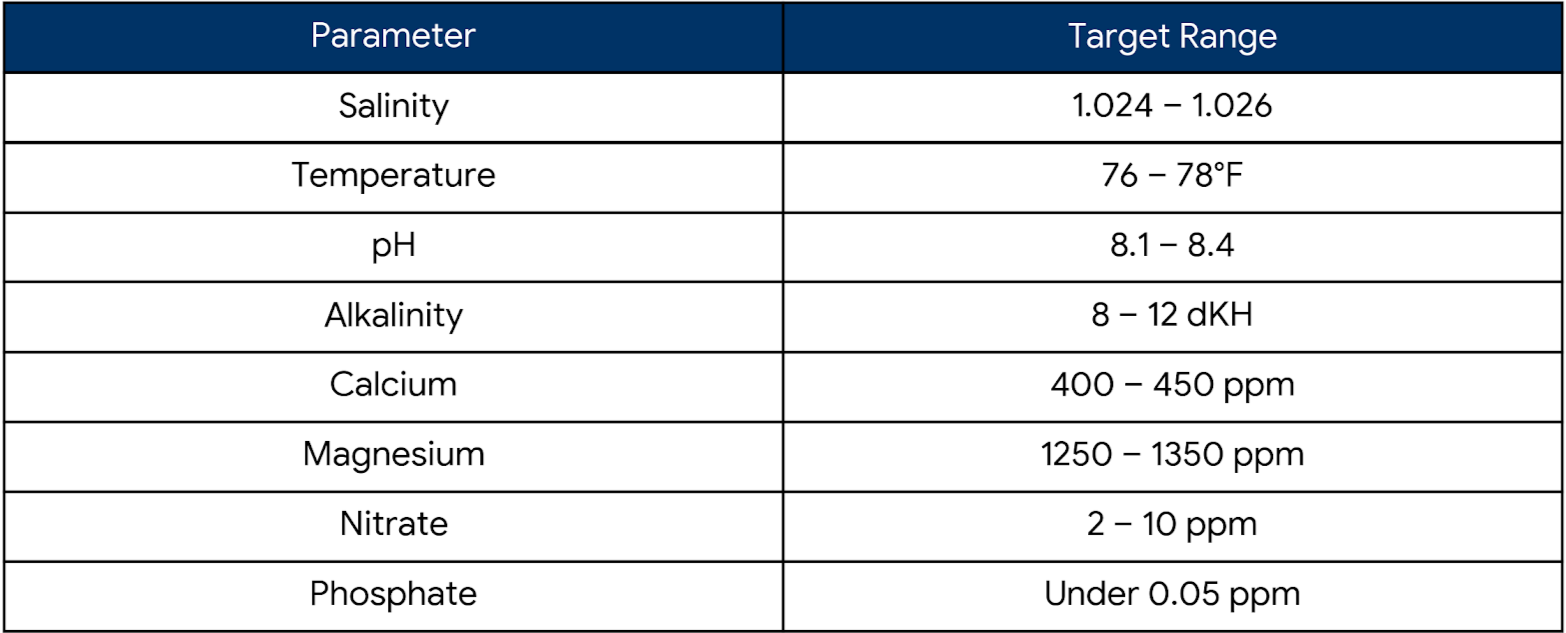
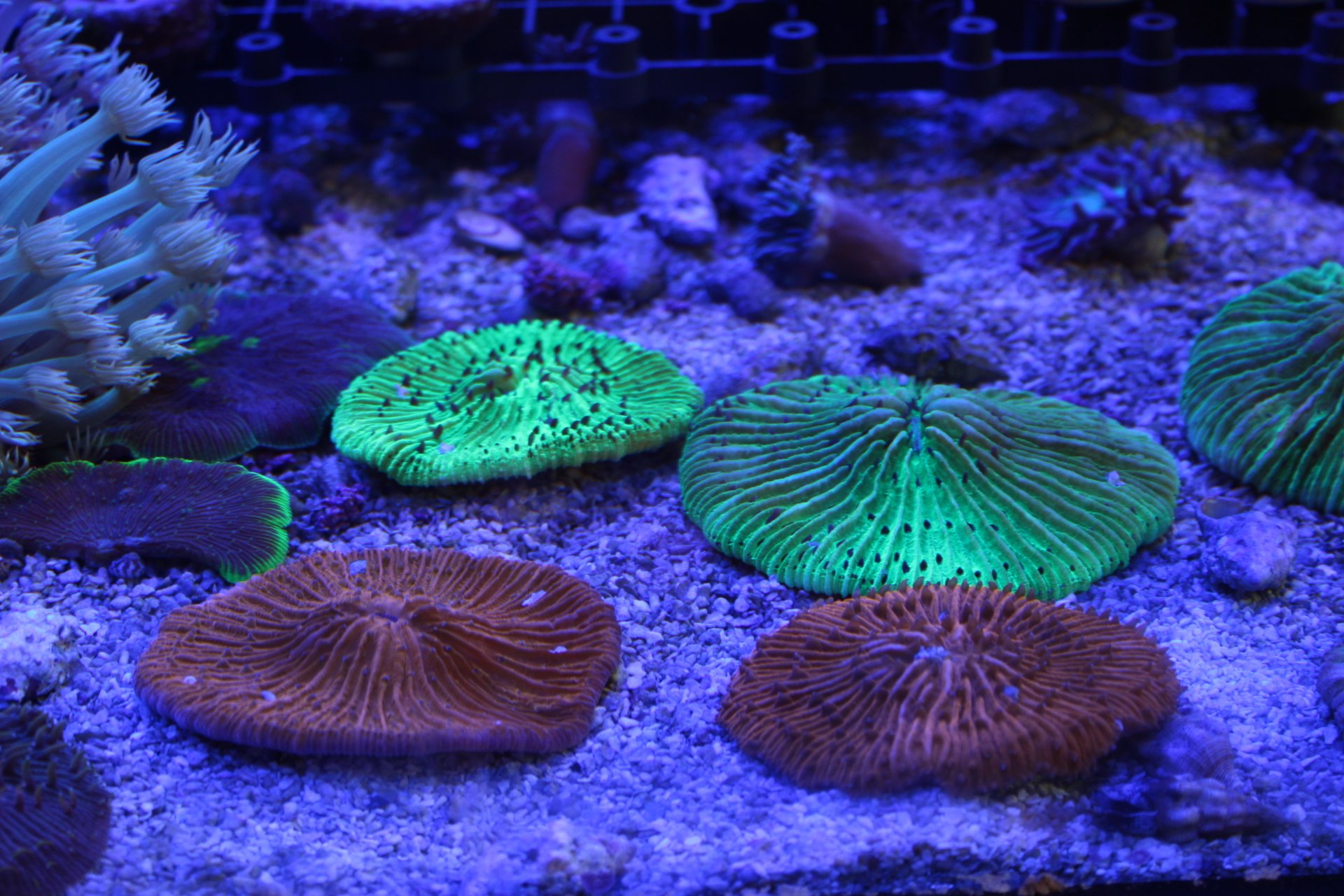
Consistency is the difference between a thriving reef and a system crash. In the Chicago area, you must maintain these specific parameters to ensure your corals reach their full growth and color potential.
Bring a water sample to the shop—we offer in-store water testing for customers across Chicago, Forest Park, Skokie, Cicero, and more.
Lighting & Flow: Engineering Your Reef’s Environment
-
Lighting: Spectrum & Intensity
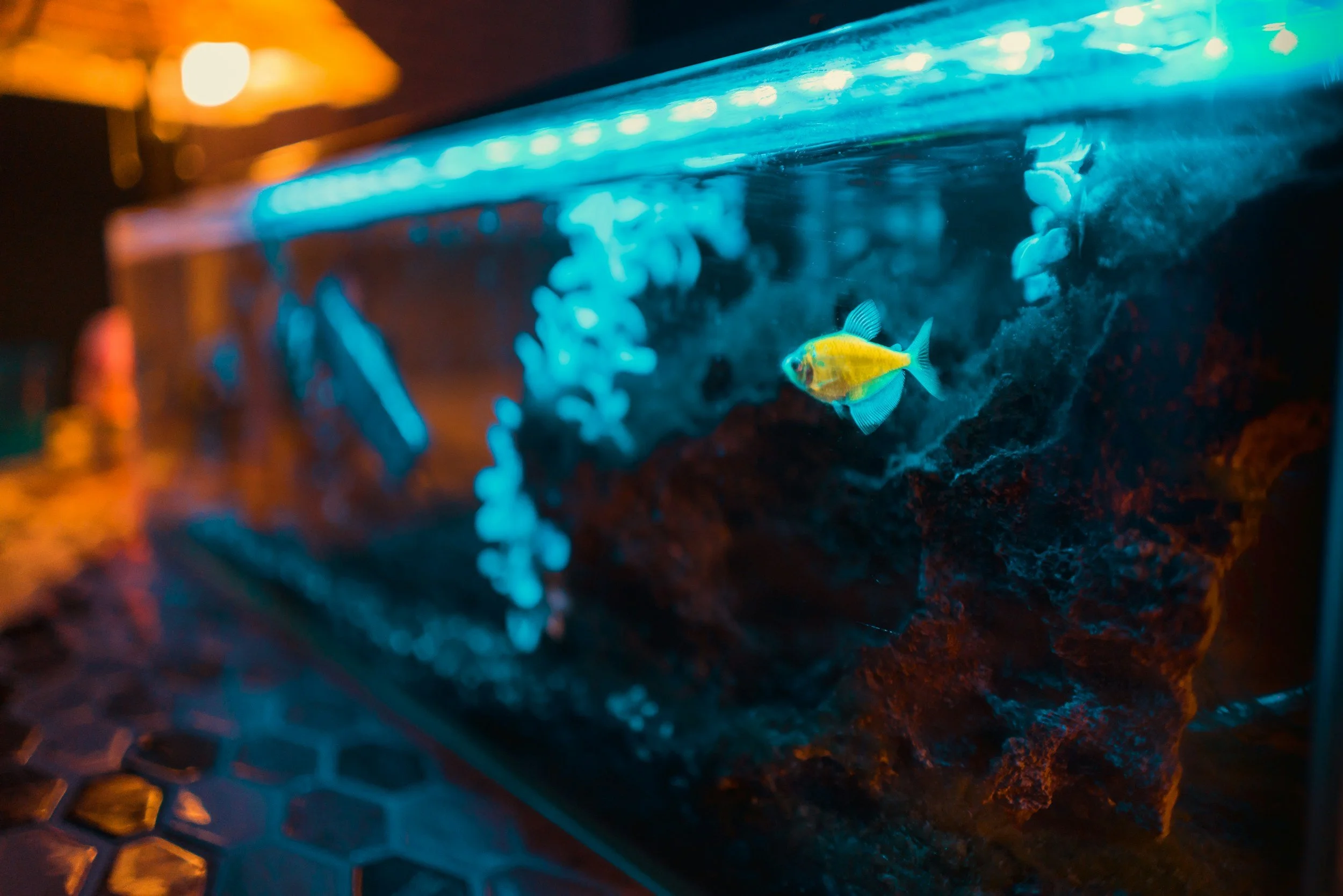
Corals rely on photosynthesis to fuel their growth, and standard lighting rarely provides the intensity or spectrum required for a thriving reef.
Soft & LPS Corals: Require moderate, consistent light to thrive without stress.
SPS Corals: Demand intense, high-PAR lighting to maintain color and calcification.
The In-Store Advantage: Choosing the right LED system is the most technical decision you will make for your reef. Because precise PAR coverage is critical, we consult on and stock all our premium reef lighting solutions in-store at our Oak Park location. Bring your tank dimensions and goals in, and let’s make sure you get the right system the first time.
-

Flow: Nutrient Delivery & Waste Export
Correct water movement brings nutrients to coral polyps while preventing organic buildup.
Softies: Thrive in gentle, indirect flow.
LPS: Benefit from moderate, alternating currents.
SPS: Require strong, turbulent flow to simulate natural reef conditions.
The Equipment Choice: We rely on SICCE powerheads and wavemakers for their whisper-quiet operation and precise flow control. We stock these solutions in-store at our Oak Park location and can map out the flow patterns specific to your tank’s aquascape during your visit.
Coral Placement: The Protocol for Success
Placement isn't just about the aesthetic; it's about giving each specimen the environment it needs to thrive. Think of your reef as a series of specialized zones.
Top Zone (High Intensity): Reserved for SPS corals. They require maximum light penetration and high-velocity water movement to maintain color and structure.
Middle Zone (Moderate Intensity): The sweet spot for LPS corals. They need stable flow and moderate lighting to allow their polyps to expand fully without being battered.
Lower Zone/Shaded: Ideal for most soft corals. These species often prefer gentler flow and lower PAR levels, making them perfect for the bottom and nooks of your aquascape.
Pro-Tip: The Acclimation Strategy
The Bottom-Up Rule: Always place new frags at the bottom of the tank regardless of their final destination. This allows them to acclimate to your specific lighting intensity gradually. Move them upward over several days or weeks only after they have shown signs of adjustment.
Biosecurity First: You are not just adding coral; you are adding potential hitchhikers. Always dip your new corals before introduction. It is the single most effective insurance policy against introducing flatworms, nudibranchs, or other pests into your display.
Nutrition: Feeding Your Reef for Growth
While many corals rely on light, a proactive feeding strategy is what separates a tank that merely survives from one that thrives. Target feeding is the secret to accelerated growth rates and intense polyp coloration.
The Feeding Protocol:
Soft & LPS Corals: These species benefit significantly from regular target feeding. Providing a nutrient-dense diet allows them to extend their polyps and grow faster.
SPS Corals: While their primary energy source is light, they also capture micro-particulates from the water column, benefiting from consistent, fine-particle feeding.
Our Professional Selection: We curate a high-performance range of coral foods designed to mimic natural reef nutrition:
Reef Roids: Ideal for LPS growth and polyp extension.
Phytoplankton: Essential for filter-feeding species and overall tank biodiversity.
Mysis Shrimp: The protein-rich standard for larger-polyp corals.
The In-Store Advantage: Every tank’s nutrient requirement is unique based on your coral species and filtration capacity. Overfeeding can lead to algae outbreaks, while underfeeding leads to stagnant growth. Stop by our Oak Park location to review your tank’s current state with us, and let’s build a custom feeding plan that keeps your water chemistry balanced while maximizing growth.
Diagnostic Protocol: Troubleshooting Coral Stress
-

Bleaching (Color Loss)
The Cause: Often the result of excessive lighting intensity or rapid, unstable water parameter swings.
The Protocol: Reduce light intensity immediately. Test your salinity, pH, and temperature to ensure they are within the professional target ranges outlined in our guide.
-
Tissue Loss (Recession)
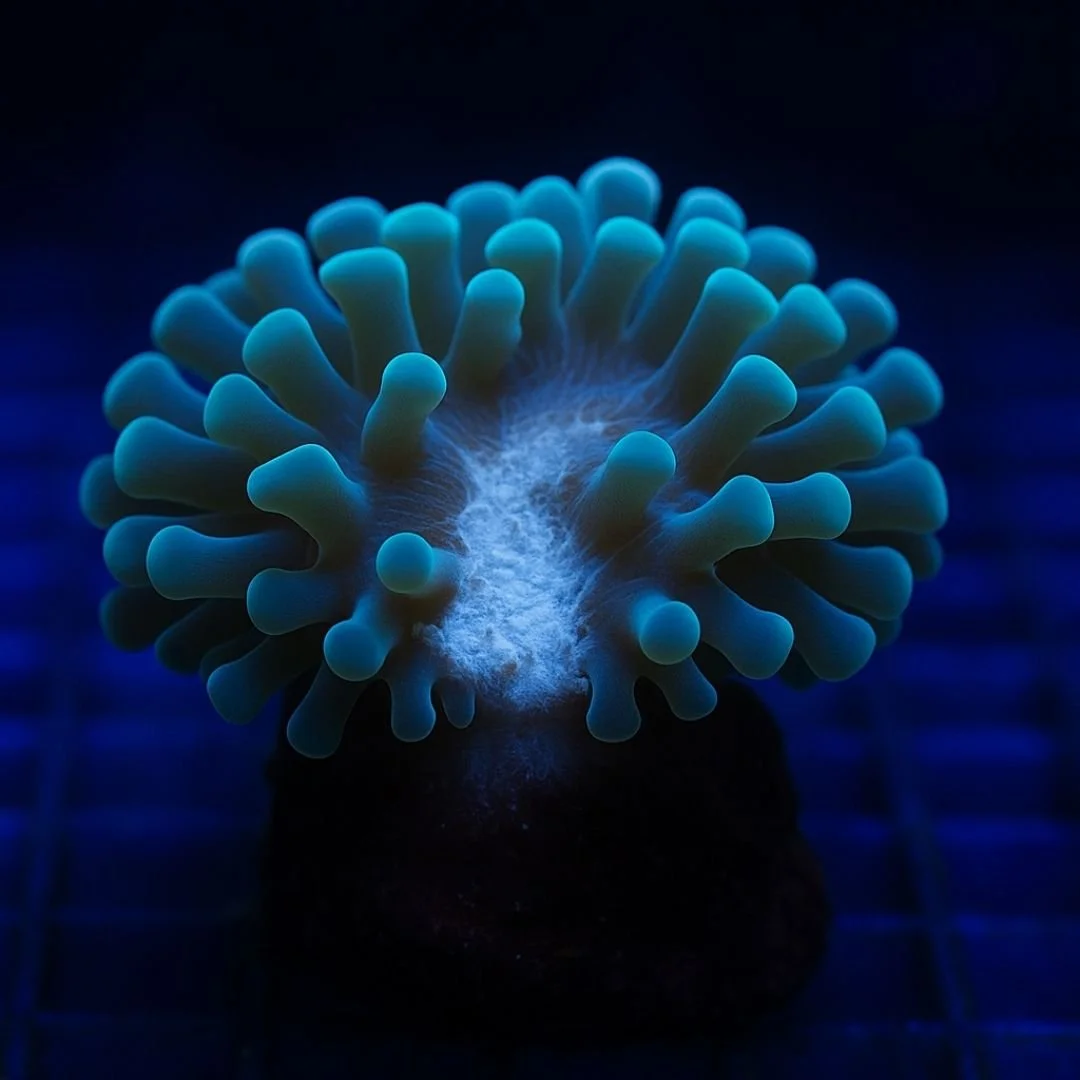
The Cause: Typically triggered by significant stress, undetected parasite infestation, or degraded water quality.
The Protocol: Remove the coral for a professional-grade coral dip to clear potential pests. Inspect the specimen closely for parasites, and perform a water quality audit to stabilize the environment.
-
No Polyp Extension
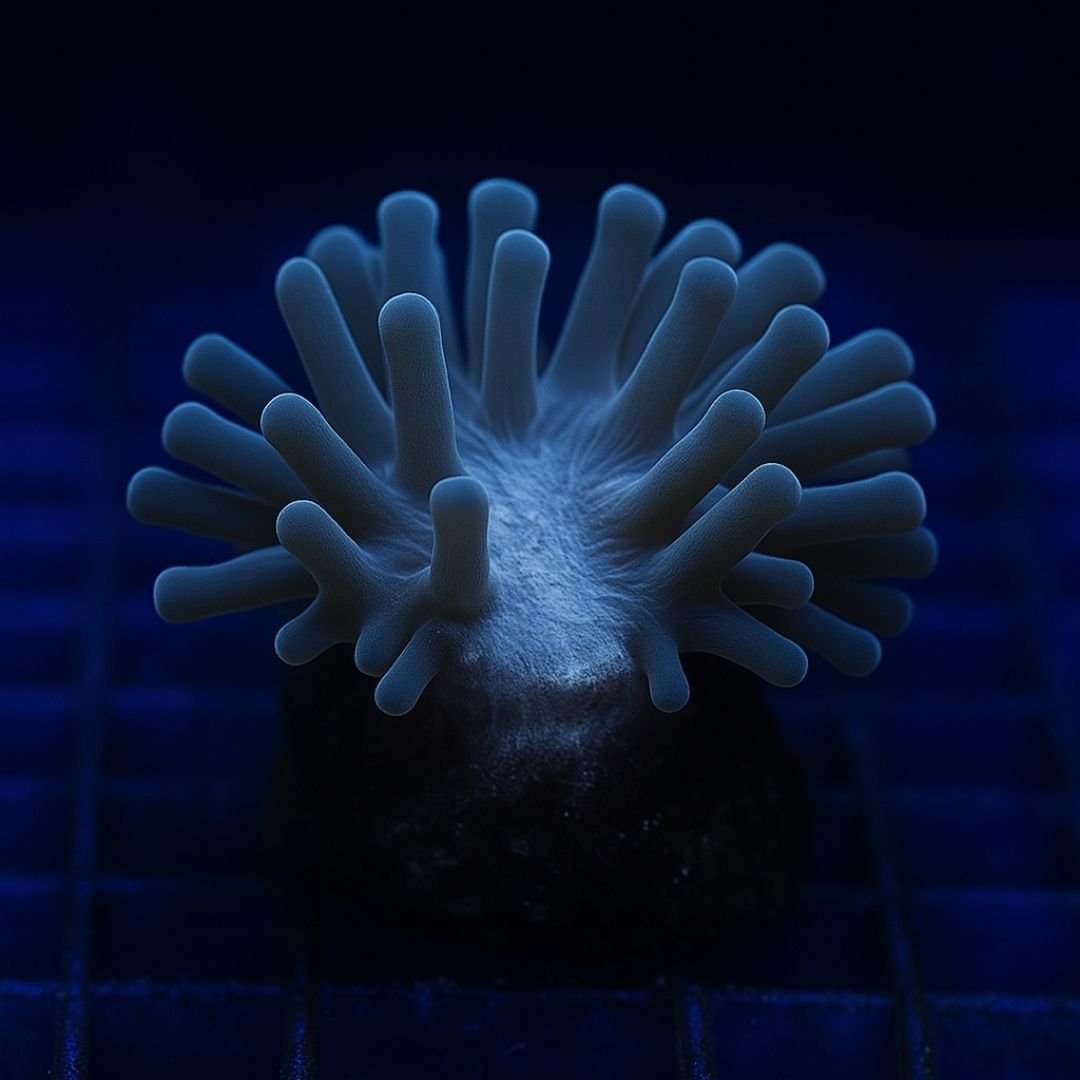
The Cause: The coral is not receiving the correct environmental cues—usually poor placement, insufficient flow, or inadequate lighting.
The Protocol: Gently relocate the specimen to a zone with better flow or light exposure. Monitor the coral for 24–48 hours to see if it responds to the improved environmental conditions.
Find Healthy Corals at Big Fish Aquarium
Success begins with the health of your livestock. We maintain a professional-grade selection of live coral in-store—from beginner-friendly softies to advanced, showpiece SPS specimens. Our corals are locally sourced and aquacultured whenever possible to ensure maximum adaptability to your home system.
Serving the Chicagoland Reef Community We are the preferred partner for hobbyists across:
City: Chicago (West Side, North Side, Logan Square, and surrounding neighborhoods).
Suburbs: Oak Park, Elmwood Park, River Forest, Forest Park, Cicero, Berwyn, Skokie, and Evanston.
Service Radius: We support reef enthusiasts within 30 miles of ZIP 60707.
We are open 7 days a week and ready to help you engineer the reef tank you’ve been dreaming of.
Questions About Coral Care?
Reef keeping is a technical discipline. Whether you are dialing in your first tank or troubleshooting a complex SPS system, Big Fish Aquarium is your local resource.
In-Store Consultation: Visit us in Elmwood Park to speak directly with our team.
Professional Water Analysis: Don't guess with your chemistry. Bring a water sample to the shop. We provide precision in-store water testing for customers across Chicago, Forest Park, Skokie, Cicero, and beyond to ensure your parameters remain within the professional target range.