 Image 1 of 1
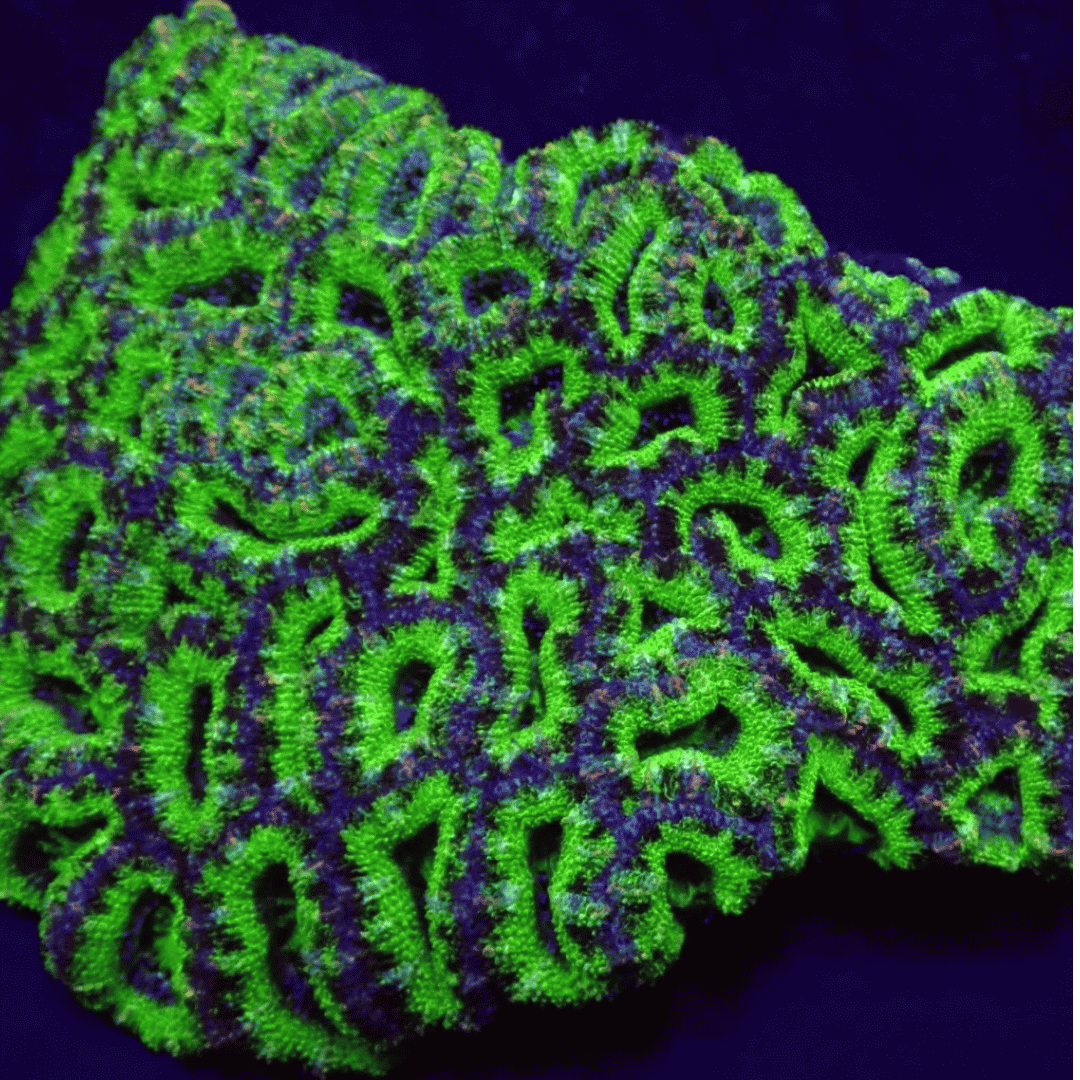
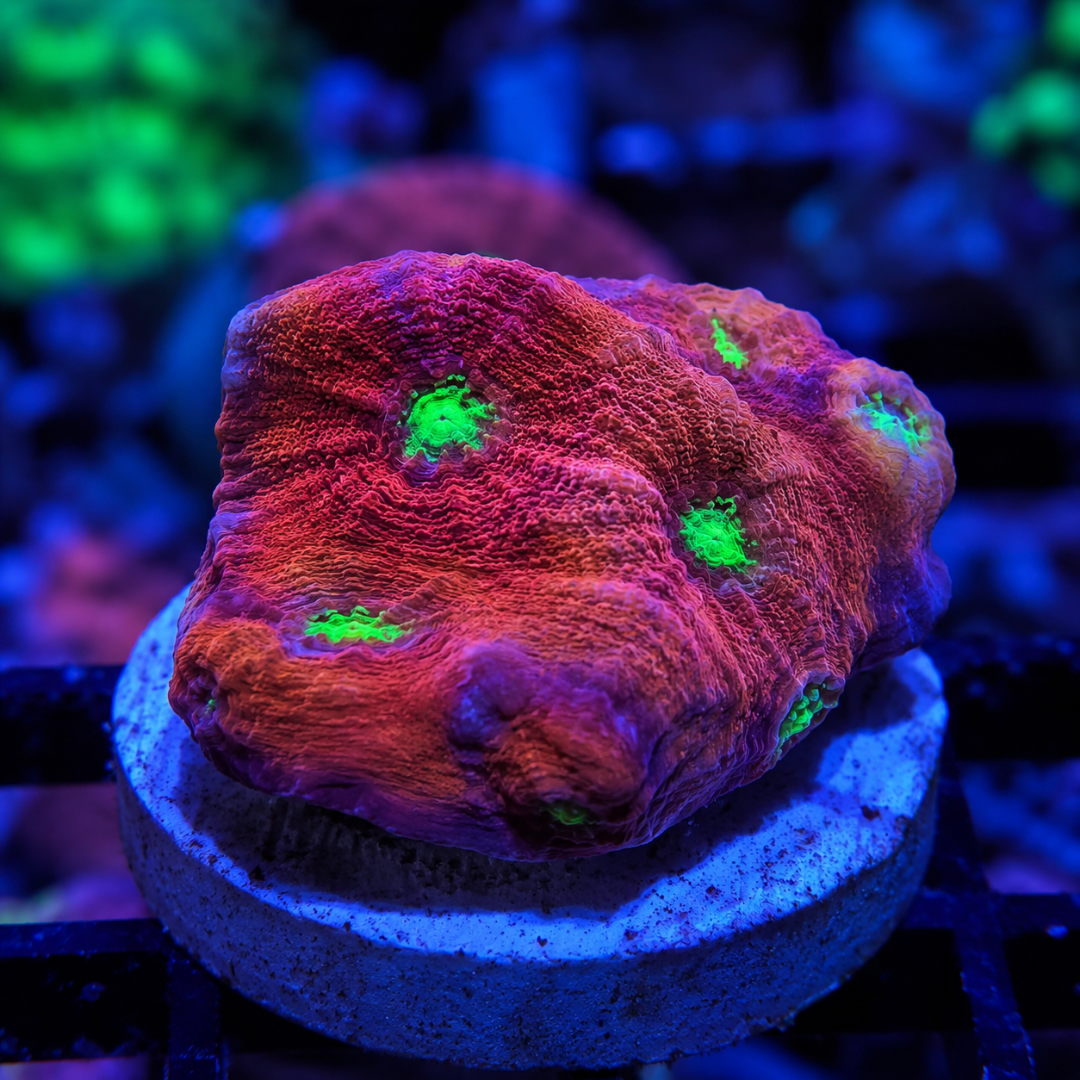
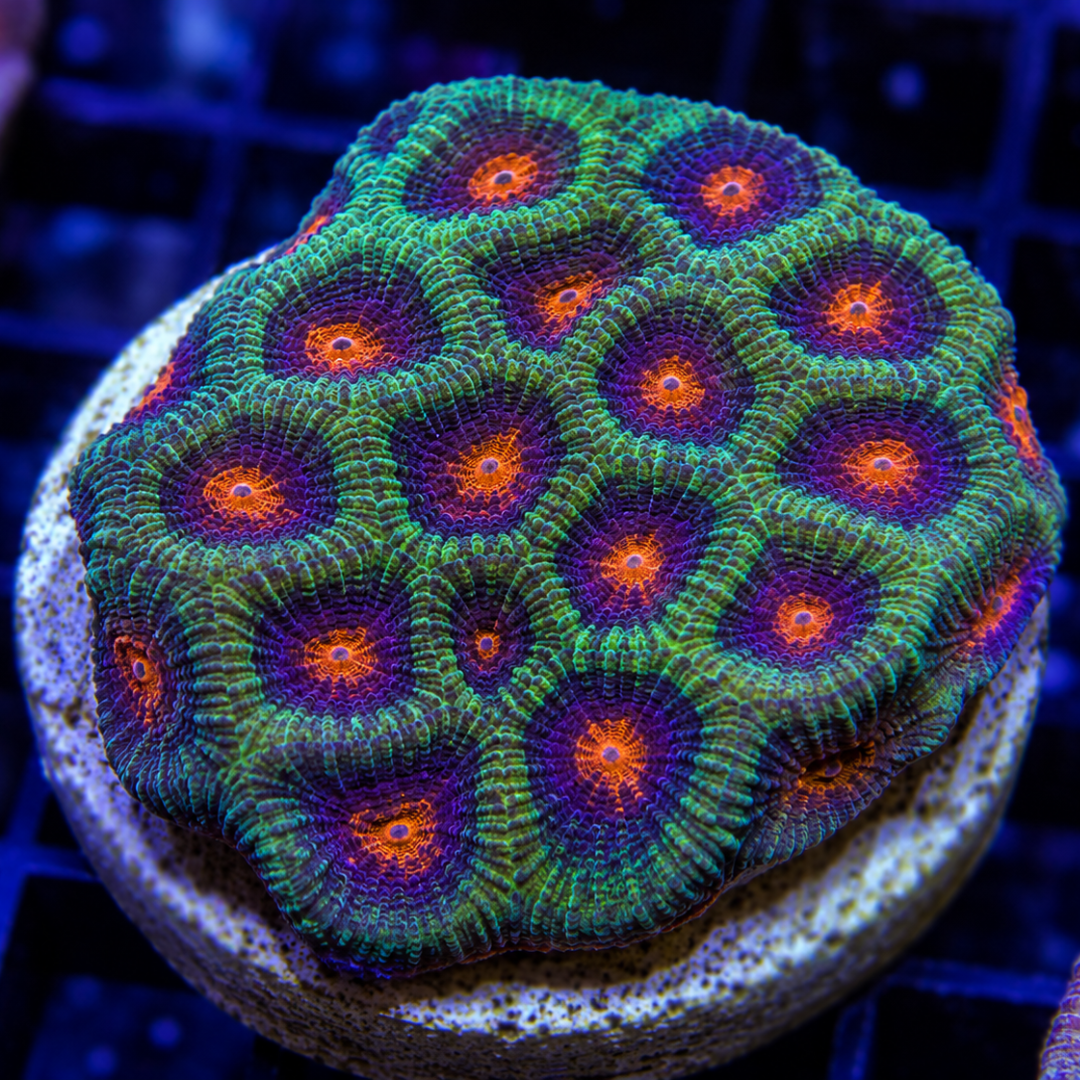
The C Favia spp. A Grade Ultra Favia is selected for its strong coloration, contrasting pattern, and fleshy individual polyps. Its rounded corallites create the textured appearance associated with classic brain corals.
Key benefits:
Ultra Coloration: Selected for vivid color, contrast, and pattern.
Dimensional Texture: Rounded corallites add structure and depth to the reef.
Responsive Feeding: Polyps may accept appropriately sized reef foods after the lights dim.
Specifications:
Scientific Name: Favia spp.
Coral Type: Large-polyp stony coral
Care Level: Moderate
Lighting: Low to moderate
Water Flow: Low to moderate
Placement: Lower to middle aquarium levels
Temperament: Aggressive
Color Grade: A Grade Ultra
Color and Pattern: Vary by specimen
Suggested use: Place in a stable reef aquarium and acclimate gradually to the lighting. Leave several inches between the coral and neighboring livestock because extended feeding or sweeper tentacles may sting nearby corals.
Image note: Product images are for reference only. Some images may be AI-generated and may not represent the exact specimen received.
The C Favia spp. A Grade Ultra Favia is selected for its strong coloration, contrasting pattern, and fleshy individual polyps. Its rounded corallites create the textured appearance associated with classic brain corals.
Key benefits:
Ultra Coloration: Selected for vivid color, contrast, and pattern.
Dimensional Texture: Rounded corallites add structure and depth to the reef.
Responsive Feeding: Polyps may accept appropriately sized reef foods after the lights dim.
Specifications:
Scientific Name: Favia spp.
Coral Type: Large-polyp stony coral
Care Level: Moderate
Lighting: Low to moderate
Water Flow: Low to moderate
Placement: Lower to middle aquarium levels
Temperament: Aggressive
Color Grade: A Grade Ultra
Color and Pattern: Vary by specimen
Suggested use: Place in a stable reef aquarium and acclimate gradually to the lighting. Leave several inches between the coral and neighboring livestock because extended feeding or sweeper tentacles may sting nearby corals.
Image note: Product images are for reference only. Some images may be AI-generated and may not represent the exact specimen received.