 Image 1 of 1
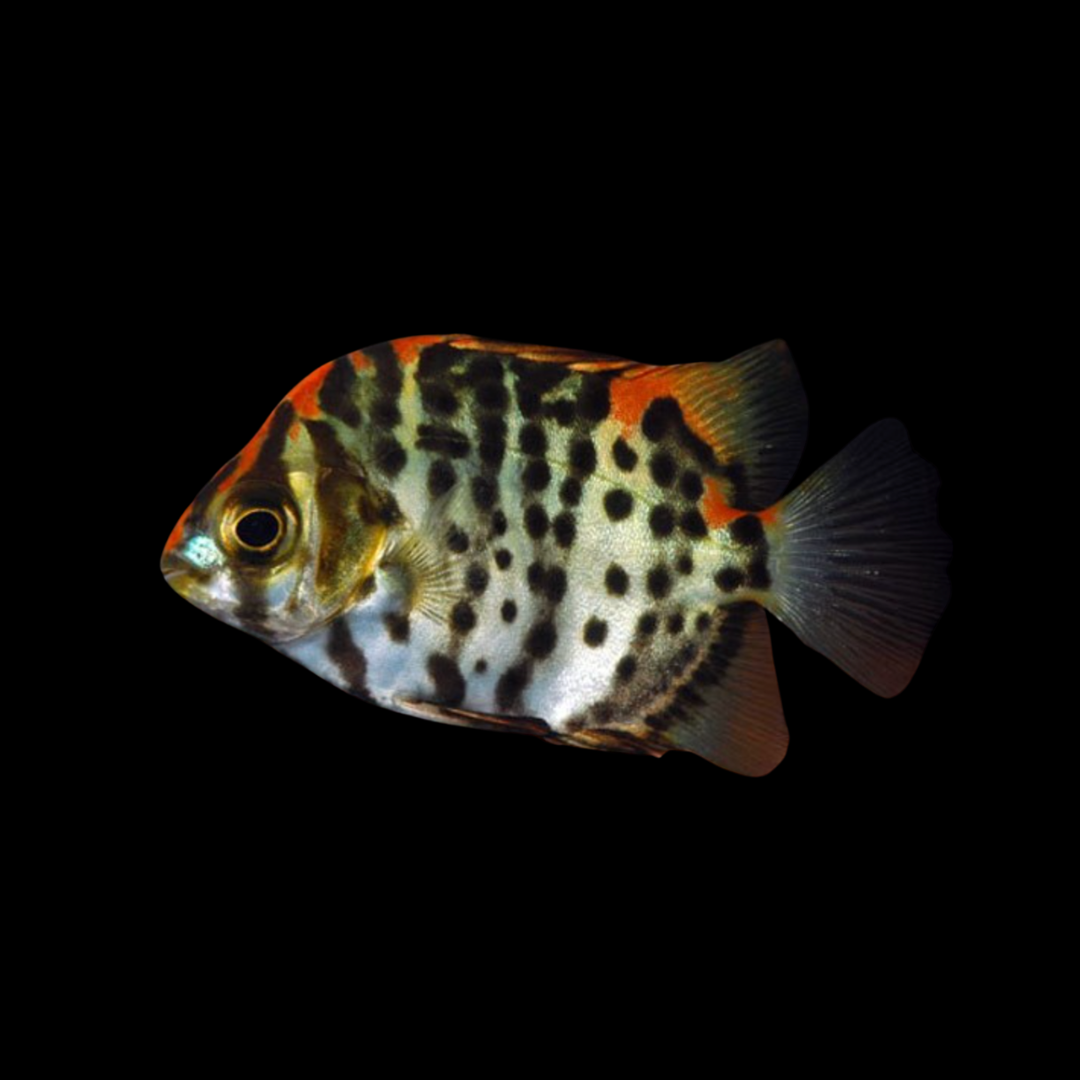
The Scatophagus Argus - Red Scat (2-3cm) is a high-performance biological asset, engineered for structural versatility and extreme chromatic saturation in technical aquatic systems. Characterized by a deep, compressed body profile and a vibrant orange-to-red base accented by disciplined black spotting, this 2-3cm variant is a masterclass in transitional aquatic design. In the "Answering Machine" era of specialized husbandry, the Red Scat is prized for its intelligence, social complexity, and its unique ability to thrive in freshwater, brackish, and marine environments as it matures.
Unlike standard schooling fish, S. argus is a high-metabolism omnivore that serves as a functional anchor for large-scale displays. This is a technical specimen that requires a disciplined environment and a long-term salinity management strategy to maintain its architectural health and color intensity.
Note: Images shown are stock images and not the actual fish you will receive.
Visualization Note: Some product imagery utilizes generative AI to provide a high-fidelity representation of a mature specimen’s architectural profile. These are not photos of the specific individual you will receive, as biological variance is a standard in high-end husbandry.
Care Level: Moderate
Temperament: Peaceful but Boisterous
Variant Size: 2-3cm
Minimum Tank Size: 55 Gallons (Initial) / 125+ Gallons (Mature)
Diet: Omnivore (Heavy Vegetation)
Reef Compatible: No
Max Size: 10 to 12 Inches
Temperature: 75° to 82°F
Specific Gravity: 1.005 to 1.020 (Increases with age)
pH: 7.5 to 8.5
The Red Scat requires a stable environment with specific structural considerations to accommodate its high-energy foraging behavior:
Salinity Management: While juveniles can be kept in freshwater, long-term vitality requires a transition to brackish or full marine conditions as they reach maturity.
Structural Layout: Minimalist layouts with smooth stones and high-durability decor are recommended. Avoid delicate live plants, as Scats are efficient herbivores and will view most greenery as metabolic fuel.
Filtration: High-capacity filtration is mandatory. These are high-bioload residents that require pristine water quality and high oxygenation to support their rapid growth rates.
This is a social species that thrives in small groups (3 or more) to establish a stable hierarchy. They integrate perfectly with other robust brackish residents such as Monos, Archerfish, and larger species of Mollies. Avoid housing with slow-moving or timid residents that may be overwhelmed by the Scat’s constant activity and boisterous feeding mechanics.
Success with Scatophagus argus hinges on a varied, vegetation-heavy nutritional protocol. They are opportunistic foragers and should be fed twice daily with high-quality spirulina flakes, seaweed (Nori), and vegetable-based pellets. Supplement with frozen Mysis or brine shrimp to maintain peak protein levels. Regular 30% weekly water changes are the primary success factor for managing the bioload and maintaining the mineral balance required for their transitional physiology.
We utilize specialized logistics for national Overnight Delivery to ensure livestock arrives in peak condition. Every order is packed using professional-grade insulation and climate-contingent heat or ice packs to maintain stable temperatures throughout the journey. This protocol is strictly designed to minimize transport stress and ensure a technical transfer from our facility to your tank with zero compromise on health or vitality.
The Scatophagus Argus - Red Scat (2-3cm) is a high-performance biological asset, engineered for structural versatility and extreme chromatic saturation in technical aquatic systems. Characterized by a deep, compressed body profile and a vibrant orange-to-red base accented by disciplined black spotting, this 2-3cm variant is a masterclass in transitional aquatic design. In the "Answering Machine" era of specialized husbandry, the Red Scat is prized for its intelligence, social complexity, and its unique ability to thrive in freshwater, brackish, and marine environments as it matures.
Unlike standard schooling fish, S. argus is a high-metabolism omnivore that serves as a functional anchor for large-scale displays. This is a technical specimen that requires a disciplined environment and a long-term salinity management strategy to maintain its architectural health and color intensity.
Note: Images shown are stock images and not the actual fish you will receive.
Visualization Note: Some product imagery utilizes generative AI to provide a high-fidelity representation of a mature specimen’s architectural profile. These are not photos of the specific individual you will receive, as biological variance is a standard in high-end husbandry.
Care Level: Moderate
Temperament: Peaceful but Boisterous
Variant Size: 2-3cm
Minimum Tank Size: 55 Gallons (Initial) / 125+ Gallons (Mature)
Diet: Omnivore (Heavy Vegetation)
Reef Compatible: No
Max Size: 10 to 12 Inches
Temperature: 75° to 82°F
Specific Gravity: 1.005 to 1.020 (Increases with age)
pH: 7.5 to 8.5
The Red Scat requires a stable environment with specific structural considerations to accommodate its high-energy foraging behavior:
Salinity Management: While juveniles can be kept in freshwater, long-term vitality requires a transition to brackish or full marine conditions as they reach maturity.
Structural Layout: Minimalist layouts with smooth stones and high-durability decor are recommended. Avoid delicate live plants, as Scats are efficient herbivores and will view most greenery as metabolic fuel.
Filtration: High-capacity filtration is mandatory. These are high-bioload residents that require pristine water quality and high oxygenation to support their rapid growth rates.
This is a social species that thrives in small groups (3 or more) to establish a stable hierarchy. They integrate perfectly with other robust brackish residents such as Monos, Archerfish, and larger species of Mollies. Avoid housing with slow-moving or timid residents that may be overwhelmed by the Scat’s constant activity and boisterous feeding mechanics.
Success with Scatophagus argus hinges on a varied, vegetation-heavy nutritional protocol. They are opportunistic foragers and should be fed twice daily with high-quality spirulina flakes, seaweed (Nori), and vegetable-based pellets. Supplement with frozen Mysis or brine shrimp to maintain peak protein levels. Regular 30% weekly water changes are the primary success factor for managing the bioload and maintaining the mineral balance required for their transitional physiology.
We utilize specialized logistics for national Overnight Delivery to ensure livestock arrives in peak condition. Every order is packed using professional-grade insulation and climate-contingent heat or ice packs to maintain stable temperatures throughout the journey. This protocol is strictly designed to minimize transport stress and ensure a technical transfer from our facility to your tank with zero compromise on health or vitality.